If your home does not stand out online, many buyers may never make it to the front door. In Short Pump, that matters even more because you are marketing to a highly connected audience that will likely scroll photos, compare details, and judge value before booking a showing. The good news is that you do not need a full remodel to make a strong first impression. You need a smart plan that helps your home look clear, bright, and move-in ready on screen. Let’s dive in.
Why online prep matters in Short Pump
Short Pump is a suburb of Richmond in Henrico County with a connected, screen-first audience. Census QuickFacts data shows high rates of computer ownership and broadband subscription, which means many buyers are likely to start and narrow their search online.
That pattern lines up with national buyer behavior. In the 2025 Generational Trends report, the first step in the home search process was looking online for properties, and buyers said the most useful website features were photos, detailed property information, floor plans, and virtual tours.
Local market conditions also raise the stakes. Recent 2026 snapshots from Redfin and Realtor.com showed Short Pump homes moving in about 28 days on market, while countywide data from Henrico showed 35 average days on market in March 2026. The exact figures come from different sources and measures, but the takeaway is simple: presentation and price still matter, and buyers are evaluating homes quickly.
What online buyers notice first
When buyers open a listing, visuals usually lead the decision. NAR reported that 83% of internet-using buyers found photos very useful, 79% valued detailed property information, 57% valued floor plans, and 41% found virtual tours very useful.
That means your listing needs more than a few decent photos. It should help buyers understand how the home looks, how the rooms connect, and how the space could work for daily life.
Staging also plays a real role in online appeal. NAR found that 83% of buyers’ agents said staging made it easier for buyers to visualize a property as a future home. Another 31% said buyers were more willing to walk through a home they had seen online when it was staged.
Start with the basics
Before you think about photo angles or virtual tours, handle the items that cameras tend to exaggerate. Small distractions often look bigger online than they do in person.
NAR’s staging research supports starting with practical prep such as decluttering, carpet cleaning, paint touch-ups, minor repairs, curb appeal work, and professional photos. For most sellers, that means focusing on clean, simple, and well-maintained over heavily personalized or overly decorated.
Here is a strong first-round checklist:
- Clear countertops in kitchens, bathrooms, and laundry areas
- Remove extra furniture that makes rooms feel tight
- Pack away personal photos and highly specific decor
- Touch up scuffed paint and baseboards
- Fix loose handles, squeaky doors, and visible hardware issues
- Deep clean floors, windows, and high-traffic surfaces
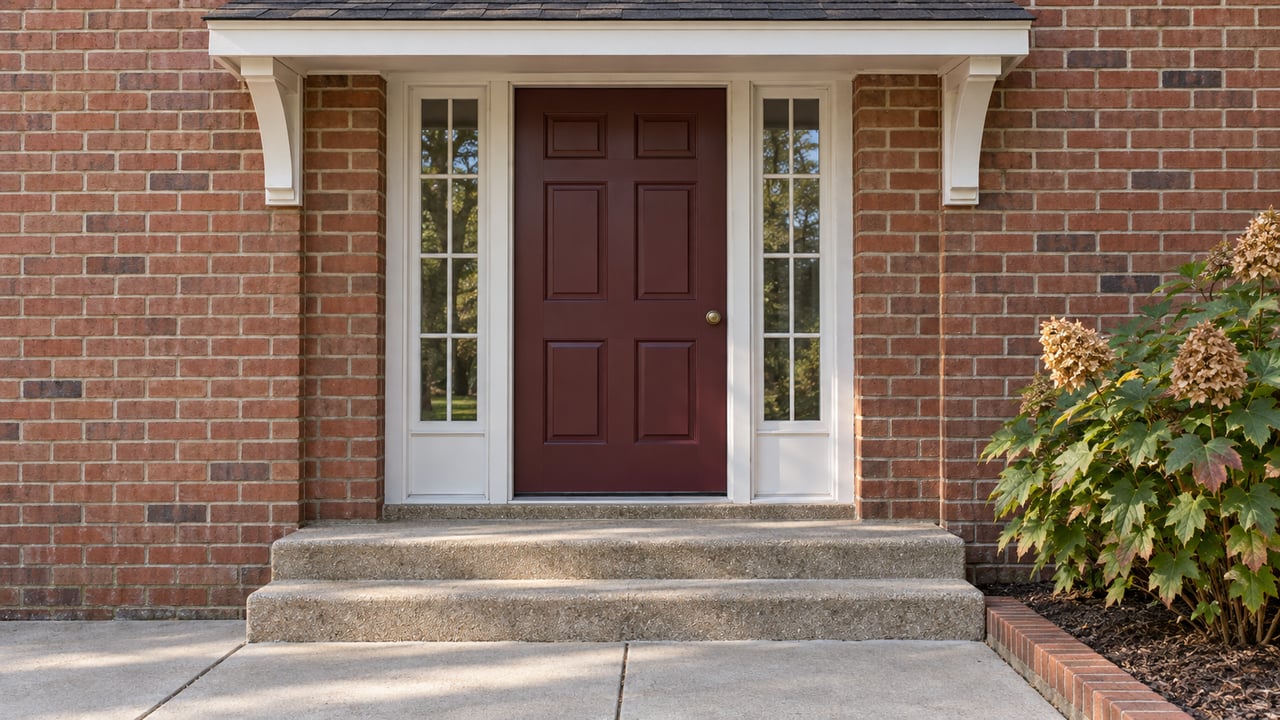
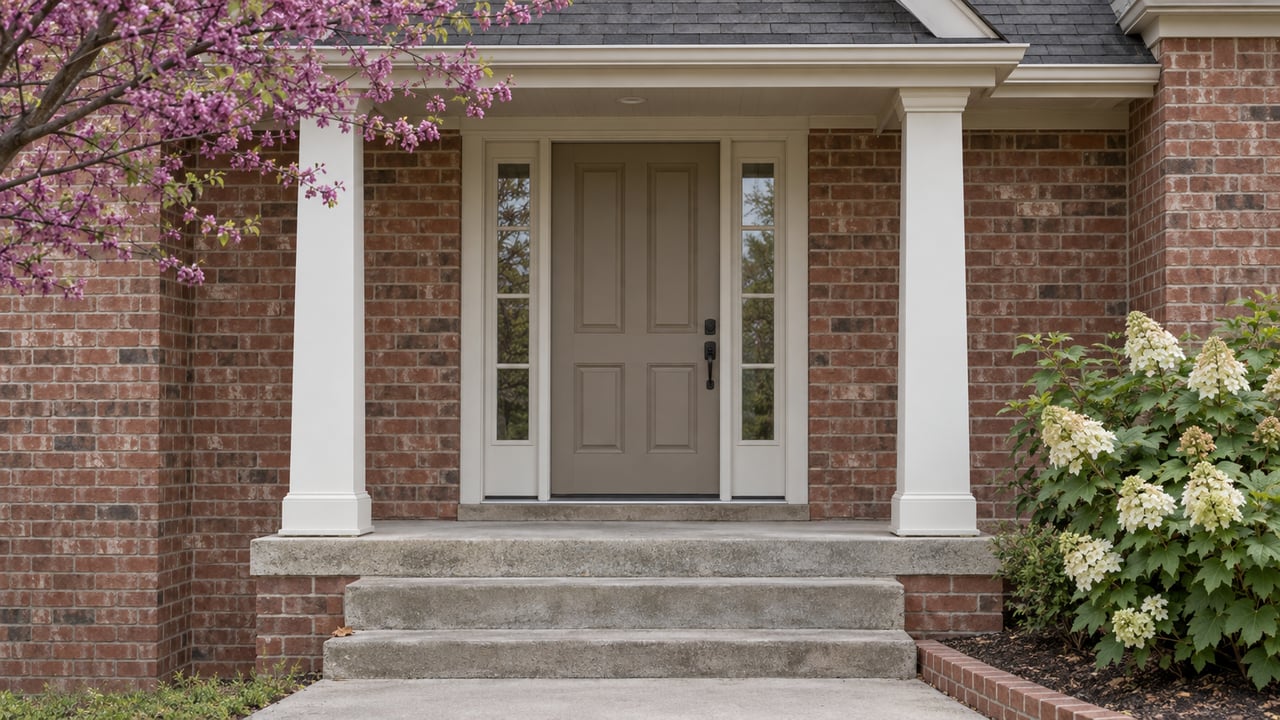
- Freshen up the front entry, walkway, and landscaping
Focus on the rooms that matter most
If you are deciding where to put your time and money, start with the rooms buyers care about most. NAR found that the living room ranked first in importance for staging, followed by the primary bedroom and then the kitchen.
That gives you a practical order of operations. Make the living room feel open and inviting first. Then turn to the primary bedroom, followed by the kitchen and dining spaces.
Living room first
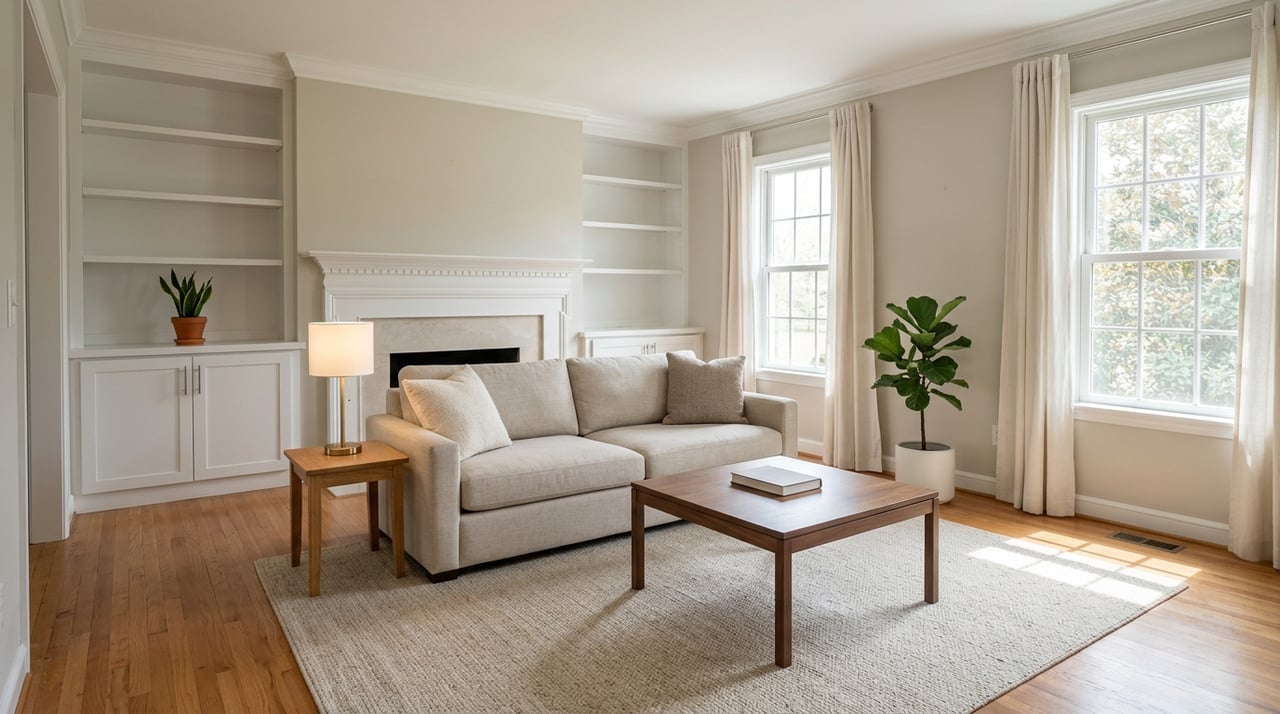
The living room often sets the tone for the whole listing. Buyers want to see a space that feels bright, comfortable, and easy to understand.
Pull furniture away from crowded layouts and remove anything that blocks windows or interrupts traffic flow. Keep surfaces simple, add balanced lighting, and make sure the room reads clearly in photos.
Primary bedroom next
The primary bedroom should feel calm and spacious. Overfilled dressers, busy bedding, and too much furniture can make the room seem smaller online.
Use neutral bedding, clear nightstands, and leave enough visible floor space to show scale. If the room has good natural light, let it work for you.
Kitchen and dining spaces
Buyers often zoom in on kitchens because they signal condition, upkeep, and function. Even if your kitchen is not newly renovated, a clean and uncluttered presentation can go a long way.
Clear counters except for a few simple items, hide trash cans when possible, and remove magnets or papers from the refrigerator. In the dining area, keep the table centered and simple so buyers can picture the usable space.
Prep your home for photos and tours
Think of photo day as a test of how well your home reads on a phone screen. Every room should look intentional, clean, and consistent.
Since buyers say photos, floor plans, and virtual tours are some of the most useful listing features, your prep should support all three. The goal is to make the home easy to understand at a glance.
Use this camera-day checklist:
- Open blinds and curtains to maximize natural light
- Turn on lamps and overhead lights for even brightness
- Replace burnt-out bulbs and match bulb color when possible
- Hide cords, chargers, and small electronics
- Put away pet bowls, crates, and litter items
- Clear bathroom counters and close toilet lids
- Remove laundry piles, hampers, and extra cleaning supplies
- Organize closets and storage spaces so they look functional
- Park vehicles away from the front of the home if possible
A floor plan can also add value to the listing because many buyers want help understanding layout. If your agent includes one, make sure each room is clean and easy to identify before measurements or scans are done.
Real staging usually beats virtual shortcuts
Virtual staging can help in limited cases, but it should not be your main plan. NAR’s 2025 staging findings showed that sellers’ agents placed more importance on photos, videos, and traditional physical staging than on virtual staging.
That matters because buyers want the real home to match the online impression. If photos look polished but the home feels cluttered in person, that gap can hurt trust.
In many cases, the best investment is simple physical prep. Decluttering, touch-ups, minor repairs, and professional media often do more for a listing than heavy spending on cosmetic changes.
Highlight features that fit Short Pump buyers
Your home is not being judged in a vacuum. Buyers are looking at the property and the surrounding lifestyle together.
In Short Pump, that means it can help to show features that connect with how people use the area. VDOT describes the community as a suburb of Richmond with major road access from I-64, I-295, Route 288, and US 250. The area around Short Pump Town Center includes shopping, dining, hotels, services, and recreational uses, while Short Pump Park includes amenities such as a dog park, spray fountains, athletic fields, play equipment, picnic facilities, and a restored schoolhouse.
When appropriate, your listing should visually support those lifestyle connections. That does not mean overpromising. It means making sure buyers can clearly see the features your home already offers.
Features worth showing clearly
Depending on the property, consider giving extra attention to:
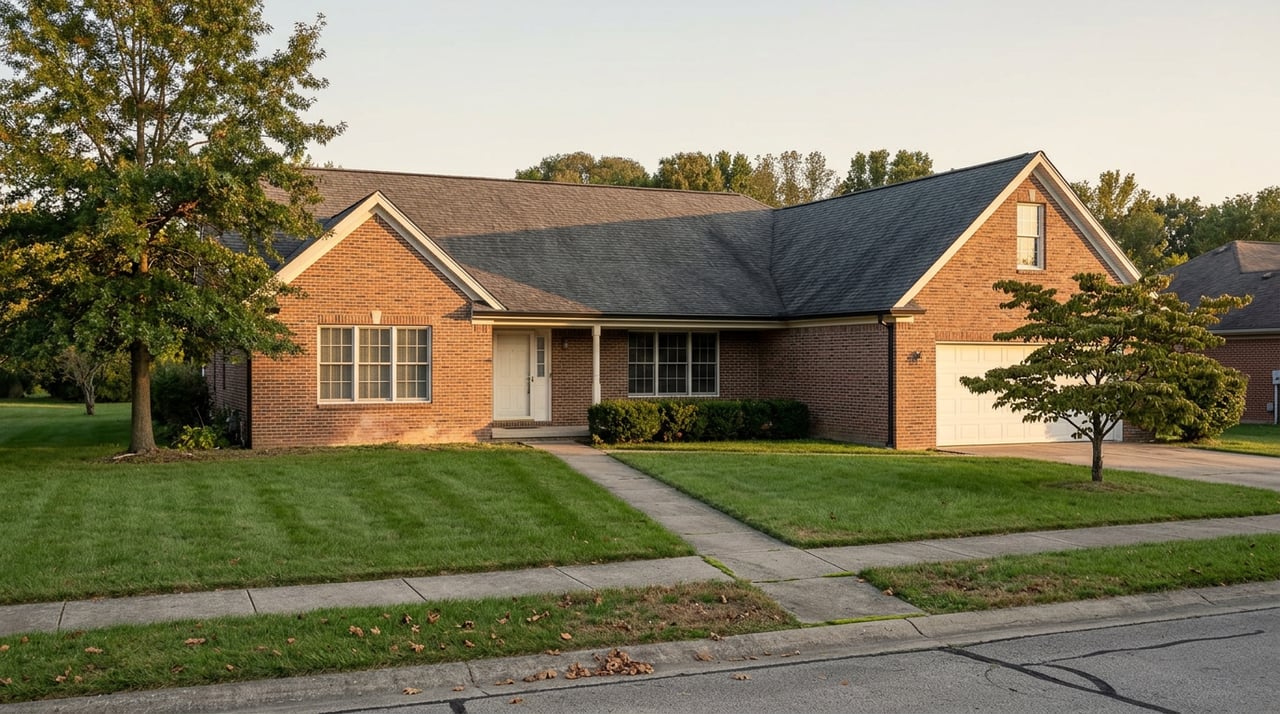
- Front exterior photos with tidy landscaping
- Backyard or patio areas that show usable outdoor space
- Bonus rooms or flex spaces that read clearly on camera
- Mudrooms, drop zones, or storage areas that support daily routines
- Pet-related features such as fenced yard areas, if present
- Garage organization and driveway presentation
Because buyers often value neighborhood quality and convenience to friends and family, it also helps when your listing presentation makes the home feel connected to the wider Short Pump lifestyle. A polished exterior, functional outdoor space, and clean flexible rooms can reinforce that story.
Skip the major remodel rush
Many sellers wonder if they need to renovate before listing. Based on the research here, the stronger case is usually for prep rather than major remodeling.
NAR’s staging survey points toward decluttering, paint touch-ups, minor repairs, curb appeal improvements, and strong photography as the most practical path. Those steps typically improve how the home shows online without adding the cost, delay, and uncertainty of a large renovation project.
If you are deciding where to spend, start with the items buyers will notice immediately in photos and tours. Cleanliness, light, flow, and condition usually do more to shape first impressions than expensive upgrades done at the last minute.
A simple pre-listing game plan
If you want a practical way to move forward, keep it simple and work in stages. You do not need to do everything at once.
Here is a seller-friendly order to follow:
- Declutter and depersonalize the whole home
- Complete minor repairs and paint touch-ups
- Deep clean floors, windows, kitchens, and baths
- Improve curb appeal at the front entry and yard
- Stage the living room, primary bedroom, kitchen, and dining area
- Prep for professional photos, floor plan work, and virtual tour media
- Review the final listing presentation before going live
This kind of plan helps your home make a stronger impression from the first scroll. In a market like Short Pump, that early attention can make a real difference.
When you are getting ready to sell, the right prep can help your home look its best online and attract serious buyers faster. If you want local guidance on pricing, presentation, and a smart listing strategy for Short Pump, reach out to Simpson Realty Group.
FAQs
What should sellers in Short Pump do first before listing a home online?
- Start with decluttering, deep cleaning, paint touch-ups, minor repairs, and basic curb appeal so the home looks clean and well cared for in photos.
Which rooms matter most when preparing a Short Pump home for online buyers?
- The top rooms to prioritize are the living room, primary bedroom, kitchen, and dining room based on NAR staging research.
Is virtual staging enough for a Short Pump home listing?
- Usually not by itself, because current staging research places stronger value on real photos, videos, and traditional physical staging than on virtual staging alone.
Do Short Pump sellers need to remodel before listing?
- Not usually, because the research here supports practical prep like decluttering, touch-ups, minor repairs, curb appeal, and professional media over major last-minute renovations.
What listing media do online buyers find most useful when shopping for homes?
- Buyers most often value photos, detailed property information, floor plans, and virtual tours when reviewing homes online.
How long are homes taking to sell in Short Pump right now?
- Recent 2026 market snapshots cited in the research showed about 28 days on market in Short Pump, though timing can vary based on pricing, condition, and presentation.