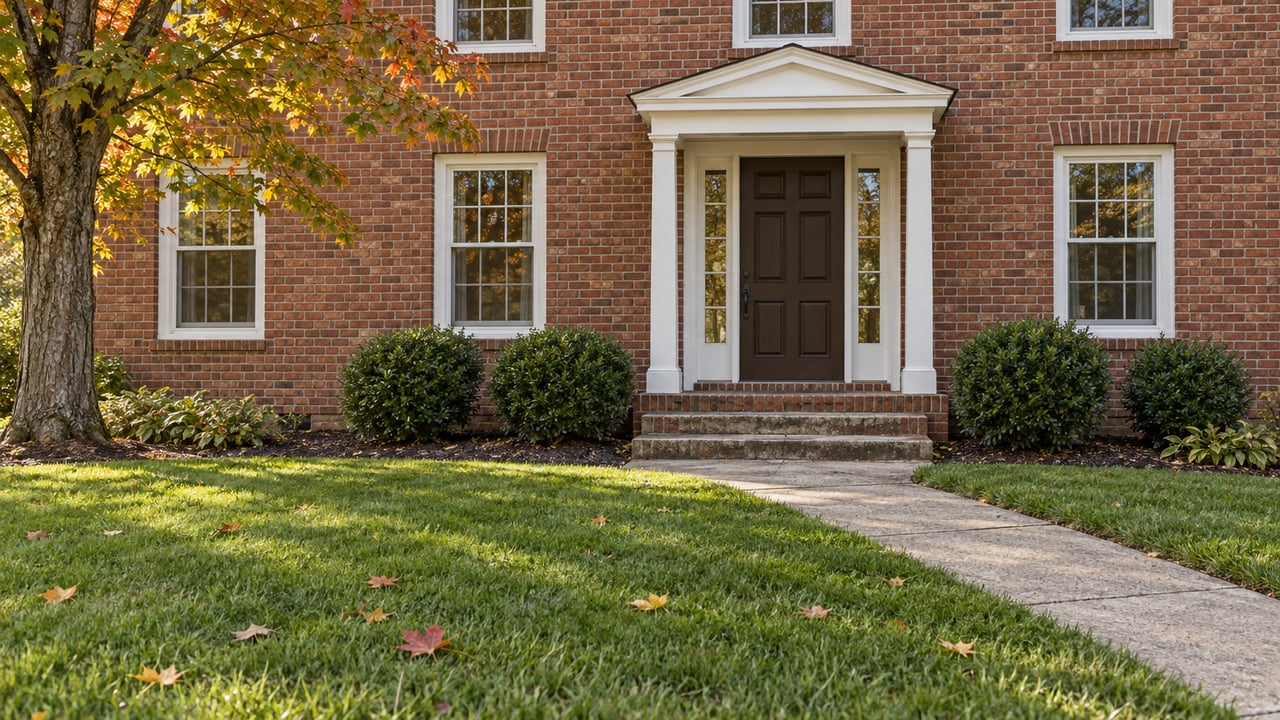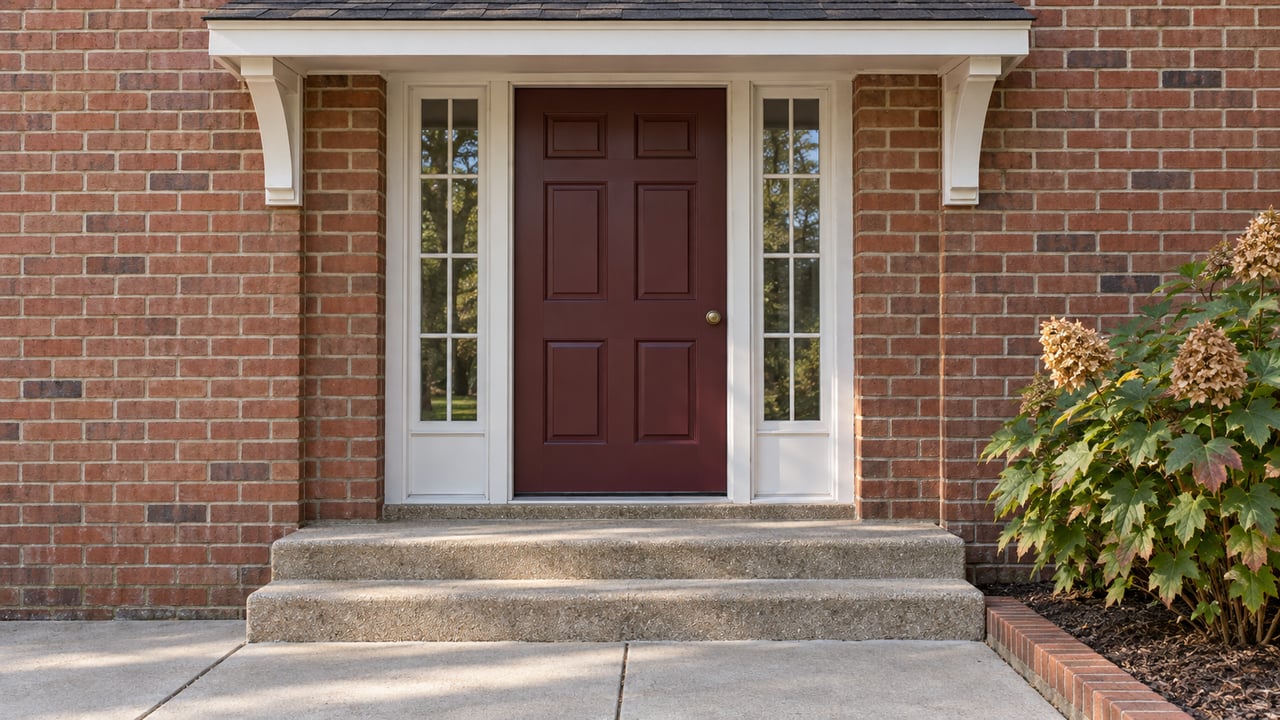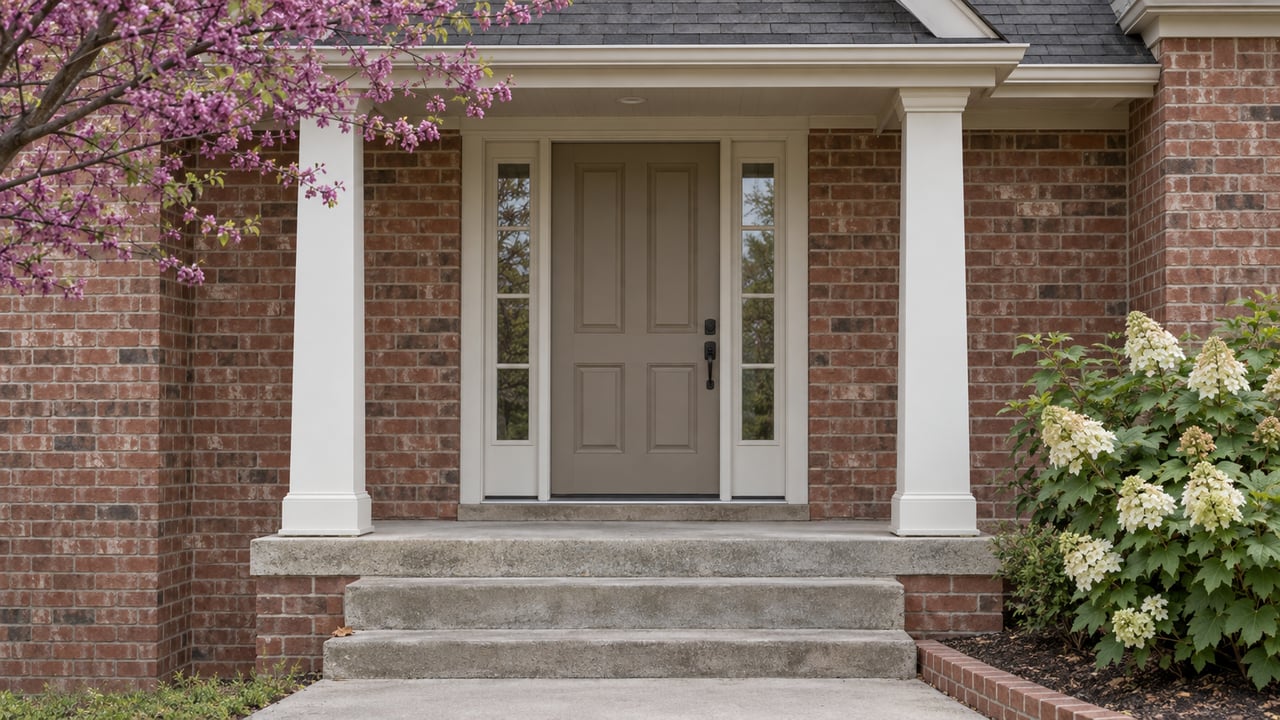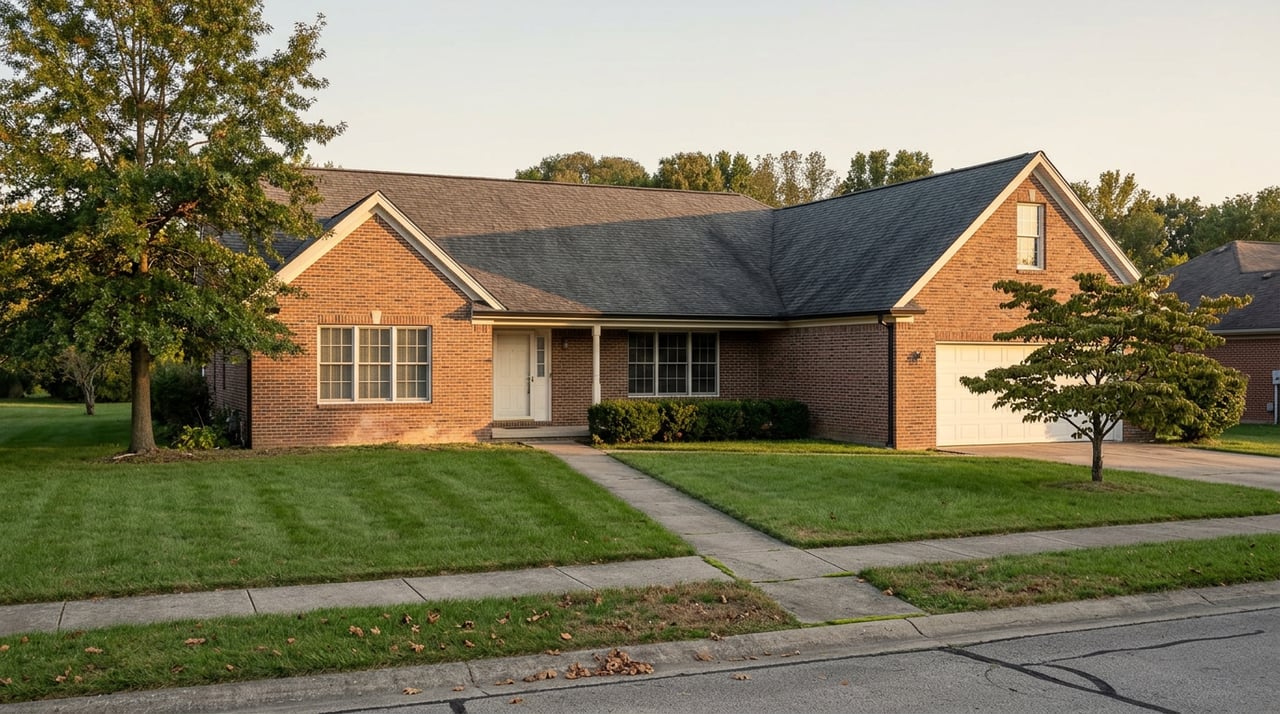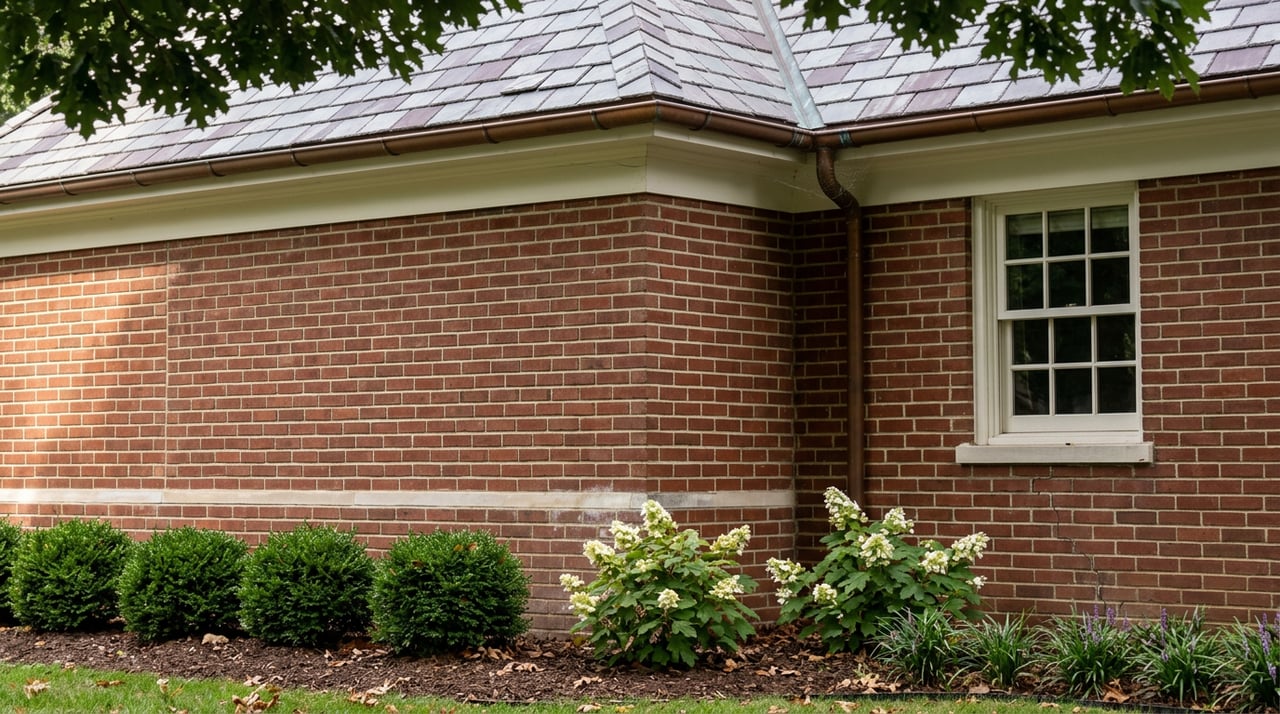
A buyer moving from a 2015 build in Short Pump into a 1948 brick Cape near Libbie and Grove opens the inspection report and finds forty items flagged. Galvanized supply lines. A slate roof with a few slipped tiles. Aluminum branch wiring at the panel. Crawlspace moisture. The instinct is to walk, or to hand the list to the seller and ask for everything.
Both instincts are wrong for this neighborhood. The Near West End was built out fast between roughly 1930 and 1955, and the report you just paid $500 for is describing the baseline condition of almost every home in it. Reading it correctly is the difference between closing on a home you like and losing three of them to buyers who understand the rules.
The disclosure that discloses almost nothing
Virginia is a caveat emptor state. Under Va. Code § 55.1-703, the Residential Property Disclosure Statement your seller hands over is not a condition report. It is a notice from the Real Estate Board telling you that the owner makes no representations about the property and that you should exercise whatever due diligence you deem necessary, including a home inspection, a mold assessment, and a residential building energy analysis.
Sellers can, and almost always do, select "no representation" on the physical condition items. The Virginia Department of Professional and Occupational Regulation publishes the form. Read it once and you'll see there is no line for the roof, no line for the wiring, no line for the plumbing.
There are narrow exceptions. Sellers must still disclose pending building code and zoning violations, septic waivers, military air installation noise zones, and, as of the 2026 legislative session under SB 577, proximity to a military ground installation. Defective drywall and lead pipes get their own advisory language. Federal lead-based paint disclosure applies to anything built before 1978, which covers essentially every original home in the neighborhood.
Everything else about the physical house is your job to find. If the seller lies to a direct question or actively conceals a defect, that's fraud, and Virginia's statute of limitations runs five years from discovery. But silence is legal. Which means the inspection is not a formality. It is the entire disclosure.
What the neighborhood is made of
The Near West End developed in a compressed window. Streets around the University of Richmond, Westhampton, Windsor Farms, and the corridors feeding Libbie and Grove filled in with brick construction, slate or asphalt roofs over wood decking, plaster walls, hardwood floors, and detached or shallow-attached garages. Later infill added mid-century ranches, Capes, and a scattering of contemporary custom builds.
That uniformity is why the inspection report is predictable. A house on Kensington Avenue and a house on Monument Avenue west of the Boulevard will produce reports that rhyme.
Here is what a competent Richmond inspector expects to note on a home from this era, drawing from the standard scopes published by River City Home Inspectors, ABI Home Inspections, and A House on a Rock:
- Cast iron drain lines and, on unrenovated homes, galvanized steel supply lines
- Original or partially updated electrical, sometimes with knob-and-tube remnants in attics or aluminum branch wiring from 1960s-era updates
- HVAC systems past the middle of their service life, often with retrofit ductwork in tight crawlspaces
- Crawlspace moisture, absent a vapor barrier upgrade or encapsulation
- Slate roofs with individual slipped or cracked tiles, soft nails, or flashing repairs at chimneys and valleys
- Masonry spalling and lime-mortar joint erosion near grade on original brick foundations
- Plaster walls with hairline settling cracks and the occasional patched section
None of that is a reason to walk. All of it is a reason to price.
The buyer who walks away from every Fan District home that has galvanized plumbing or knob-and-tube wiring will never buy in the Fan District. The same is true one zip code west. In the Near West End, these are baseline conditions of the housing stock, not defects unique to the house you're under contract on.
The three findings that actually matter
If baseline is baseline, what should raise the hair on your neck? Three categories separate a routine older-home report from a dealbreaker.
Active water intrusion, not moisture. A crawlspace with high humidity and some efflorescence is normal for Richmond's climate. Standing water, rotted sill plates, or moisture readings into framing above the crawl is a different problem. Thermal imaging and moisture meters, which are standard on Richmond inspections, are what separate the two.
Structural masonry failure. Stair-step cracking through brick, bowed foundation walls, or lintels that have dropped over windows point to movement, not settlement. Repointing is maintenance. Underpinning is a five-figure line item that changes the math on the offer.
The eras that carry specific liability. Two windows deserve extra attention on Near West End homes. Renovations completed between 2001 and 2009 can contain defective Chinese drywall, which Virginia's disclosure statute treats as its own category. Homes converted from oil heat, common in the neighborhood, may still have an underground storage tank in the yard that was abandoned rather than removed. Neither shows up on a standard inspection unless you ask for it.
The rest of the forty items on your report? Most are what Richmond inspectors call informational or maintenance findings. They belong in your five-year budget, not your walk-away column.
Your leverage is real, and it is time-limited
The Richmond market in mid-2026 has softened enough to matter for how you negotiate after inspection. The citywide median sale price was $402,500 in July 2026, up 4.3% year over year, with 21 days on market and a list-to-sale ratio of 99.1%, per the Richmond Association of REALTORS® monthly data as summarized by local market reports. Months of supply sits at roughly 2.4, still favoring sellers, but the balance has shifted from where it was in 2022 and 2023.
For a Near West End buyer under contract, that means two things. First, well-priced homes here still move quickly, so your inspection contingency window is the leverage. Second, sellers are more receptive to repair credits and price adjustments than they were during the peak years. Asking for a $6,000 credit toward a slate roof repair on a $650,000 home is a conversation now. In 2022 it was an invitation for the seller to move to the backup offer.
The move is not to hand the seller the full report. It is to distinguish what's baseline from what's genuinely off-baseline for the era, and ask for the second list. Sellers and their agents in this neighborhood know which is which. Buyers who ask for everything read as inexperienced and lose leverage.
A short playbook for the ten days after inspection
- Attend the last thirty minutes of the inspection. The verbal walkthrough is where the inspector tells you what actually matters. Mission Realty's July 2026 Richmond inspection guidance makes the same point: the written report reads flat, the verbal summary tells you which items to prioritize.
- Ask your inspector to separate findings into safety, immediate cost, deferred maintenance, and informational. If they won't, hire one who will.
- Add specialty inspections where the era warrants it. Sewer scope on any home with original cast iron. Oil tank sweep on any home converted from oil heat. Chimney inspection on any home with a functioning fireplace, given how common they are on these houses.
- Price the baseline into your original offer. Come back to the seller only on the items that are outside the baseline.
- Get written estimates before you ask for a credit. A number sourced from a licensed Richmond contractor lands differently than a number pulled from the report.
FAQ
Does the seller have to tell me about problems they know about?
Not most of them. Virginia's Residential Property Disclosure Act allows "no representation" on nearly every physical condition. Sellers cannot lie in response to a direct question and cannot actively conceal a defect, but they are not required to volunteer the roof leak from 2019. Assume they won't.
Is a slate roof a reason to pass on the house?
Rarely. Slate roofs on Near West End homes are often original and can have another twenty to forty years of service life with periodic tile and flashing repair. What you're pricing is annual maintenance and the eventual copper flashing replacement, not a full tear-off. Ask your inspector for a service-life estimate specifically, not a general condition rating.
What about lead paint and asbestos?
Any home built before 1978 in this neighborhood should be assumed to contain lead paint under intact finishes, and homes from the 1930s and 1940s often contain asbestos in original pipe insulation, floor tiles, or attic insulation. Federal law requires sellers to give you the EPA pamphlet and a ten-day inspection window. Undisturbed, both materials are manageable. Renovation is when you plan for abatement costs.
The Near West End rewards buyers who understand what they're buying into. A forty-item report on a 1948 brick Cape is not a warning. It's a description. Reading it that way is what separates the buyers who close from the buyers who spend a year losing houses.
If you want a second set of eyes on an inspection report before you send your response to the seller, or a candid conversation about what a specific Near West End home is likely to turn up before you write the offer, Simpson Realty Group works these transactions every week. Request Your Free Home Valuation or reach out directly to talk through a property you're considering.