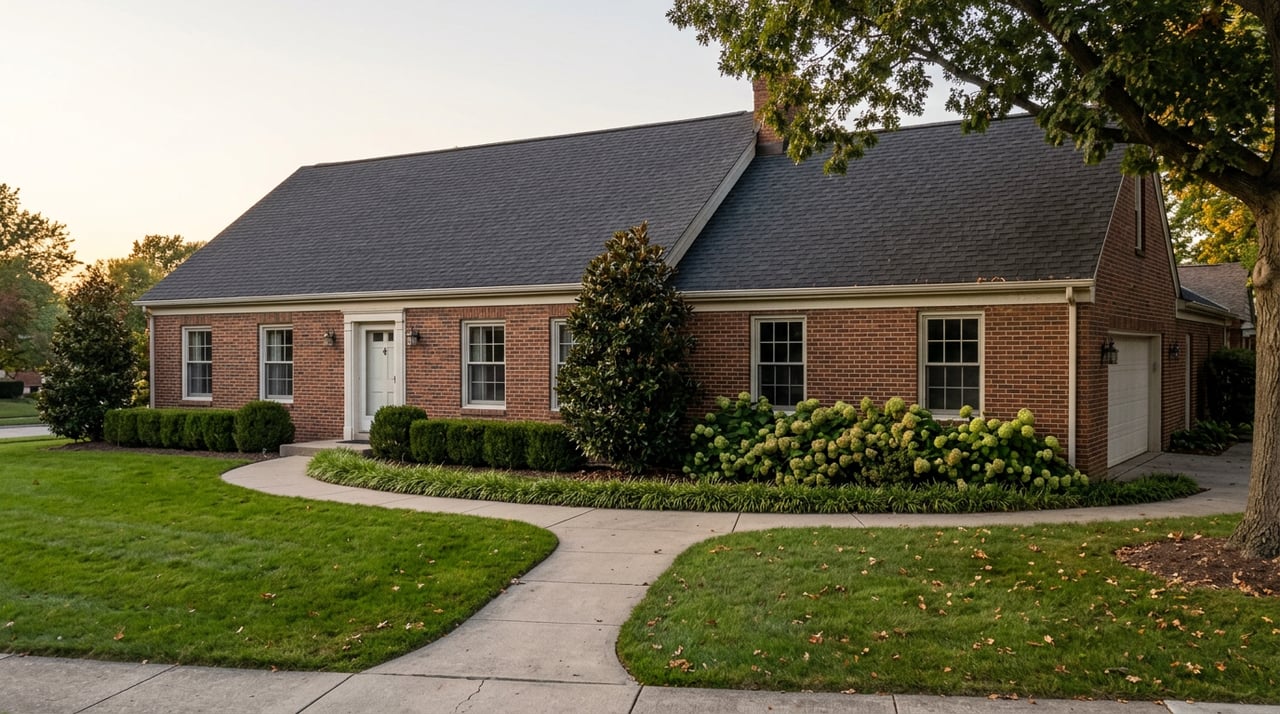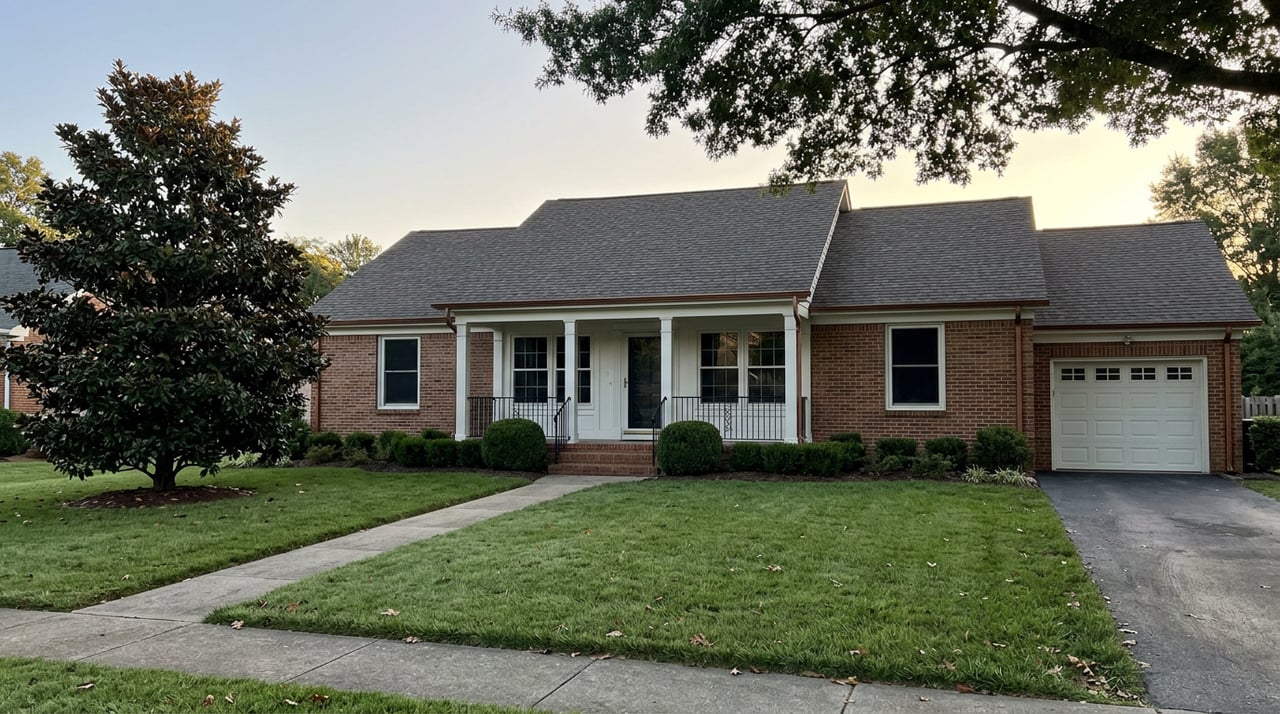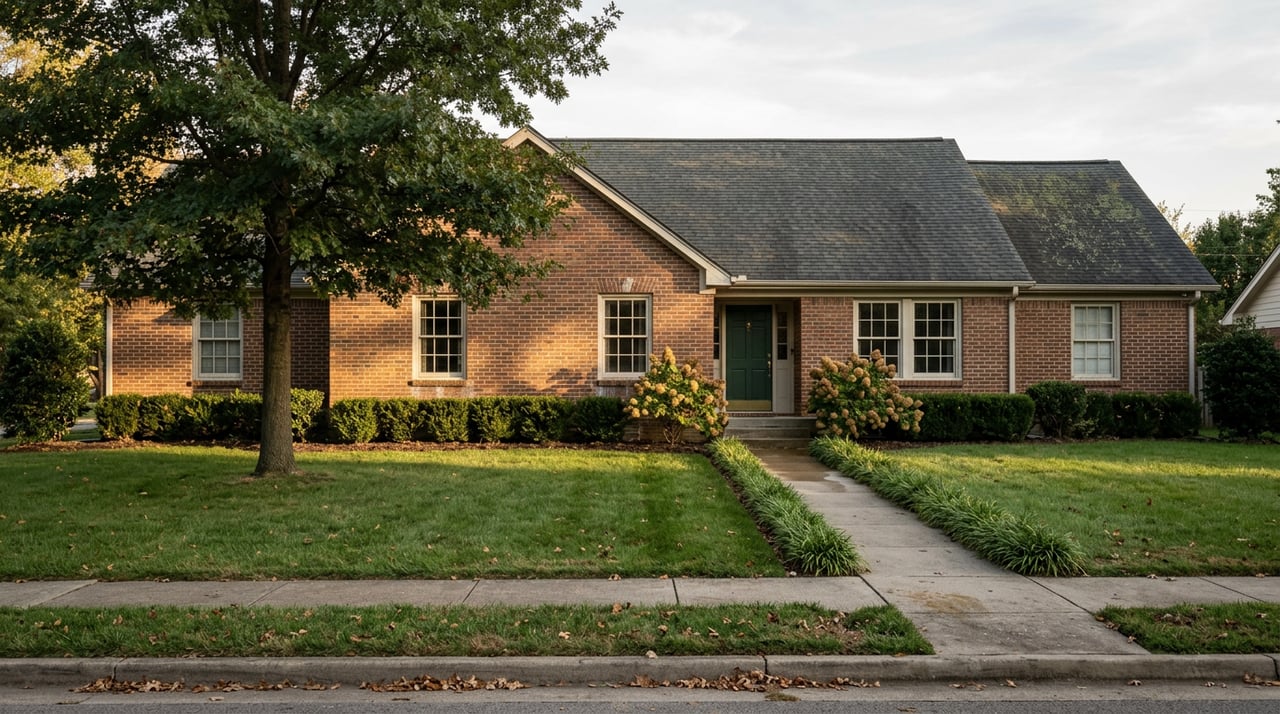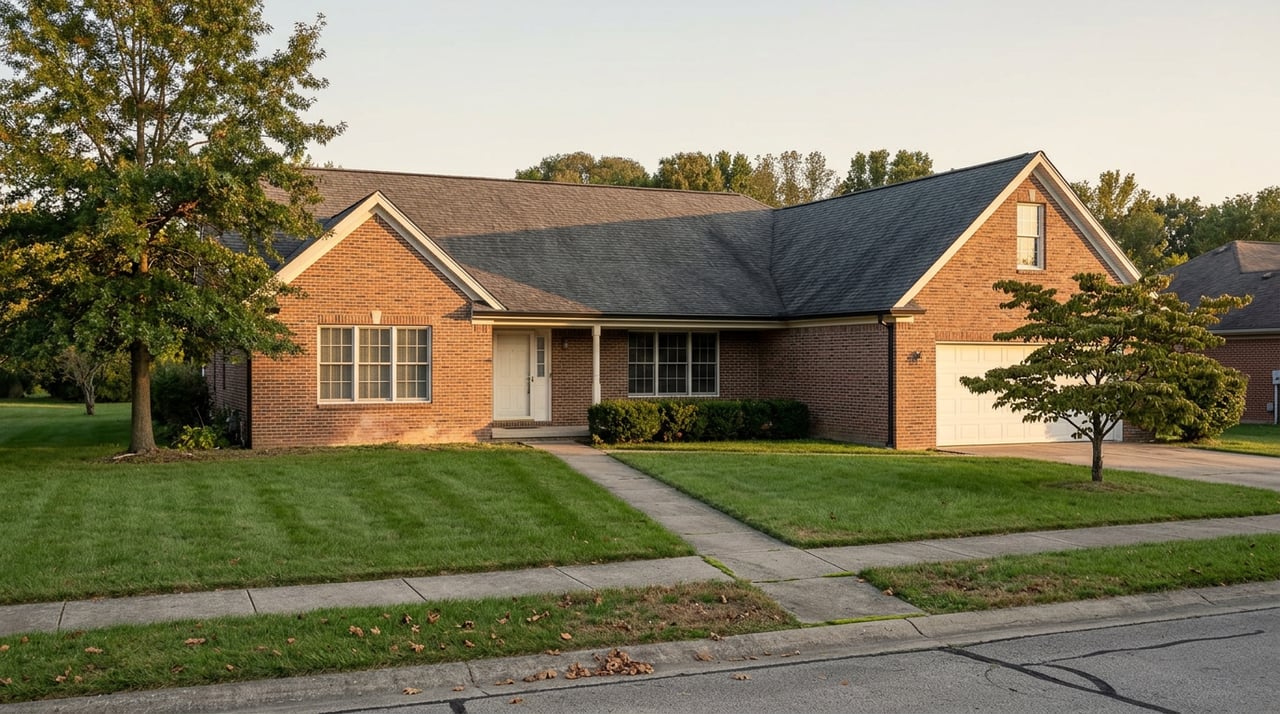
Walk into a model home along the Midlothian Turnpike corridor this fall and you'll likely hear a version of the same pitch. The price on the whiteboard hasn't moved from last month. But the sales rep has a lender's card ready and an offer to buy down your interest rate by two full points for the first year of the loan. It sounds like a discount, and it is one. It just isn't the kind of discount most buyers assume it to be, and understanding why builders structure it this way tells you more about Midlothian's current market than the median price ever will.
Four Builders Are Chasing the Same Buyer Right Now
Midlothian is in the middle of building four large communities at once, all within a few miles of each other along the Route 288 and Midlothian Turnpike corridor.
HHHunt Communities is leading The Aire at Westchester, a master-planned neighborhood next to Westchester Commons that will eventually hold approximately 2,200 homes. Three builders are working the site together: Eagle Construction of Virginia, HHHunt Homes, and Main Street Homes. Phase one is selling now, with townhomes and condos priced between $529,950 and $886,950, and the community's first amenity, a five-acre park called The Draw, is under construction in 2026.
A short drive away, Eastwood Homes is developing The Junction at Midlothian Depot, a 13-acre project at Midlothian Turnpike and Alverser Drive built around roughly 60 townhomes. The anchor tenant is Chesterfield County's first Whole Foods Market, a 36,000-square-foot store paired with another 48,000 square feet of retail space. Pricing hasn't been released yet, which itself says something about how new this wave of supply still is.
HHHunt is also expanding Charter Colony with a second section called Palmer Village, starting in the lower $500s and offering floor plans with up to six bedrooms. Main Street Homes has a fourth project, Midlo West, a townhome community off Midlothian Turnpike near the Aldi and Kroger at that intersection.
That's hundreds of new units entering the same submarket inside the same twelve months, all competing for a buyer who has other options nearby in Brandermill, Salisbury, and Woodlake.
The Price Tag Hasn't Moved. The Incentive Sheet Has.
Here's the part that should catch your attention. As of September 2026, Midlothian's median list price sits at $474,000, and it hasn't changed month over month or year over year. The typical home is spending 39 days on the market, also flat compared to a year ago. Earlier in the year, other local data told a similar story: typical sold prices ran $442,000 to $465,000 with homes closing at about 99.5% of asking, a level of pricing discipline that doesn't look like a market under any real pressure to cut.
And yet the incentives keep growing. Chesterfield County's July 2026 market report specifically flagged builders near the Route 288 corridor running 2-1 rate buydown programs to move summer inventory. Separately, Eastwood Homes has advertised up to $20,000 in closing costs paid on its Cottages at Millwood community in Midlothian. New construction absorption in the county was up 21% year over year as of July, with move-in-ready homes going under contract in about 15 days.
So the headline price is standing still while the incentive line grows. That isn't a coincidence and it isn't builders being generous. It's a deliberate choice, and it has a name in the industry: protecting the comps.
Why Builders Would Rather Pay Your Rate Than Cut Their Price
A builder selling in a 200-home community isn't pricing one transaction. Every closed sale becomes a data point an appraiser will use on the next 199. If a builder drops a $500,000 townhome to $470,000 to move it, the appraiser on the next contract has to account for that lower sale when valuing the home next door. Freddie Mac has told appraisers directly to weigh financing concessions when they build comparable sales, which means a price cut doesn't just cost the builder margin on one house. It can quietly reset the ceiling on everything they still have left to sell.
A rate buydown solves the same problem without leaving that mark. Housing economists have pointed out that cutting a mortgage rate by one percentage point typically costs a builder something like 3% of the sale price, while getting a buyer the same monthly payment relief through a flat price cut usually requires a much steeper reduction. One large national builder, PulteGroup, reported spending an average of 6.3% of a home's price on incentives, most of it redirected from things like cabinets and countertops into rate buydowns specifically because financing concessions don't get recorded as a lower sale price the way a discount does.
That's the mechanism sitting underneath everything happening in Midlothian right now. HHHunt, Eastwood, and Main Street Homes are each running multi-phase communities where today's closed price becomes tomorrow's comp. None of them have an incentive to let that number move downward in public, even while they're actively spending real money to get buyers to the closing table.
What This Means If You're Comparing New Construction to Brandermill or Salisbury
This is also where new construction and resale genuinely diverge as negotiations. A homeowner selling in an established Midlothian community like Brandermill or Salisbury doesn't have a pipeline of future comps to protect. Their motivation to accept a lower number is personal, tied to timing or a job change or an estate sale, not tied to a 200-home construction schedule. That's why resale sellers typically negotiate in a narrower range, a few thousand dollars in closing costs or repair credits, rather than the $10,000 to $30,000 in financing incentives a production builder can put on the table.
The comparison isn't which side is more generous. It's that the two are playing different games. A builder is protecting a price floor across dozens of remaining sales. An individual seller in Woodlake is usually just trying to get to their next home. If your priority is monthly payment relief, new construction's incentive stack is likely to beat what a resale seller can realistically offer. If your priority is negotiating room on the price itself, an established community with one owner making one decision often has more give.
Translating an Incentive Into a Real Price
If you're weighing an offer at any of Midlothian's active communities this fall, run it through the same steps regardless of which builder is making the pitch.
- Ask for the buydown structure in writing, specifically whether it's temporary (typically a 2-1, meaning your rate drops two points in year one and one point in year two before returning to the note rate) or permanent for the life of the loan.
- Get an independent lender quote on the same loan so you can see what the builder's in-house financing actually costs versus the open market.
- Calculate your break-even month if you paid points yourself instead of taking the builder's buydown, and compare that to how long you actually plan to stay.
- Ask what the same dollar amount would do as a straight price reduction, even if the builder won't offer it. The math will tell you whether the rate story is genuinely the better deal or just the one they'd rather sell you.
- If you're buying resale nearby, don't expect the same size of incentive. Judge that offer on its own terms rather than measuring it against a builder's playbook.
A rate buydown is the builder spending money on your loan instead of your price tag. The list price stays the same. The comps stay the same. Your payment goes down anyway, and that's worth taking seriously, as long as you know exactly which version of the deal you're getting.
A Few Quick Questions
Does it matter if I plan to refinance in a couple of years? It changes the math considerably. A temporary 2-1 buydown only helps for its first two years, so if you refinance before the full rate kicks in, you may not fully use the benefit you were sold on. A permanent buydown holds its value regardless of when you refinance.
Can I ask a Midlothian builder to apply the incentive differently, say toward closing costs instead of a rate? Often yes. Builders frequently bundle incentives as flexible credits that can move between a rate buydown, closing costs, or design center upgrades. It's worth asking directly rather than assuming the advertised structure is the only option.
Do resale sellers in Brandermill or Salisbury ever offer rate buydowns? Occasionally, particularly if a seller is motivated and working with a lender who can facilitate it, but it's far less common and typically smaller in scale than what a production builder can absorb across an entire community.
If you already own in one of Midlothian's established communities and you're wondering how this wave of incentive-heavy new construction is shaping the comps on your own street, that's exactly the kind of question a current valuation should answer, not a builder's price sheet. Simpson Realty Group can walk through what's actually selling near you and what it means for your timing. Request Your Free Home Valuation and let's look at the real numbers together.