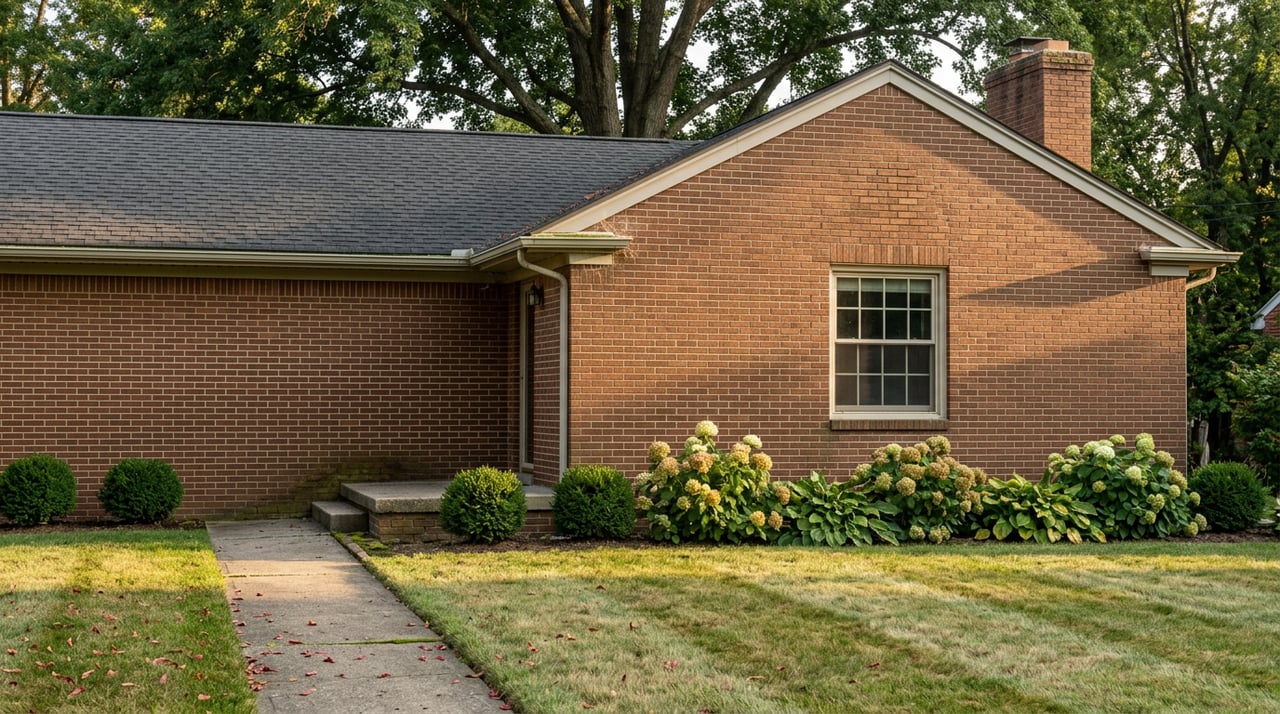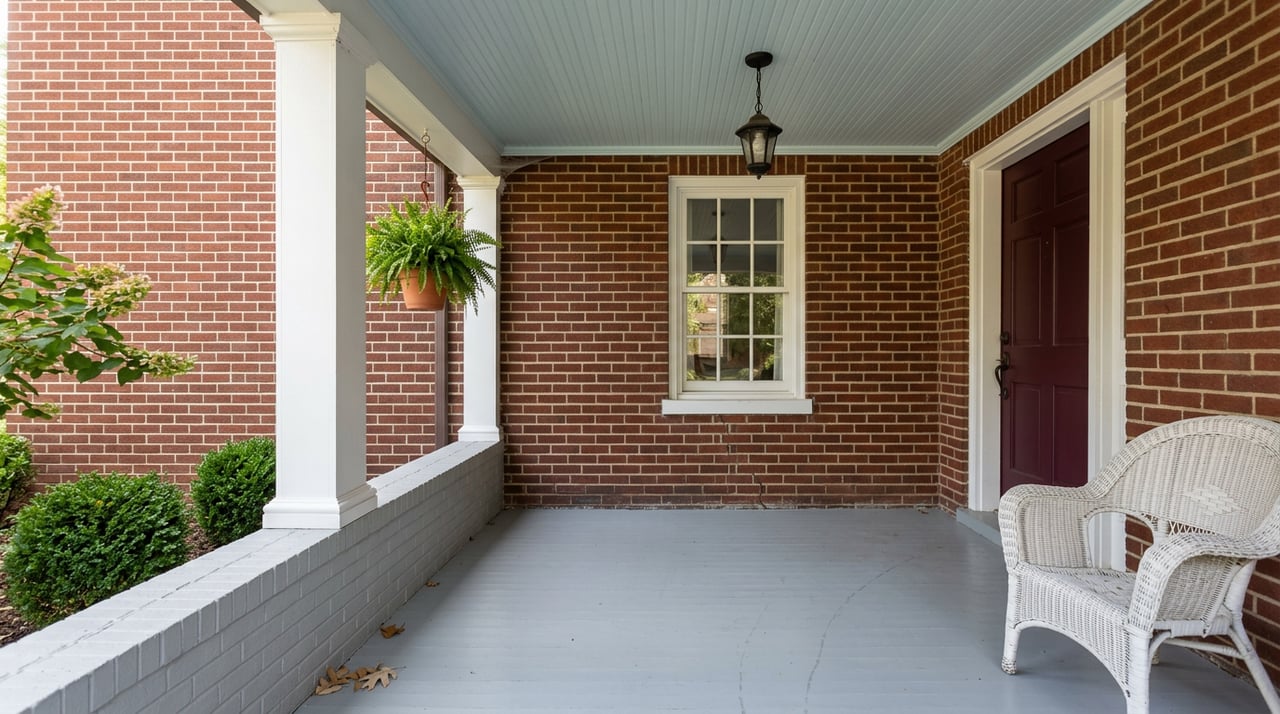
Thinking about listing your Tuckahoe home this winter or spring and wondering if a pre-listing inspection is worth it? You are not alone. Many Henrico sellers want fewer surprises, smoother negotiations, and a faster closing. In this guide, you will learn what a pre-listing inspection covers, the real pros and cons in our local market, typical costs and add-ons, timing tips, and a simple plan to decide if it is right for your home. Let’s dive in.
What a pre-listing inspection includes
A pre-listing inspection is the same thorough, visual inspection that buyers order, but you do it before your home hits the market. A licensed inspector reviews major systems and accessible areas, then delivers a written report with photos and notes. Look for a Virginia-licensed inspector and ask about professional liability insurance. You can verify licensing standards through the Virginia Department of Professional and Occupational Regulation and review national standards with the American Society of Home Inspectors or InterNACHI.
In Tuckahoe, many homes range from mid-century to newer builds. Common findings in older properties include aging roofing, galvanized plumbing, older electrical panels or wiring, HVAC nearing end of life, crawlspace moisture, and wood-destroying insect activity. Knowing these items early helps you price, repair, or disclose with confidence.
Pros and cons for Tuckahoe sellers
Benefits you can bank on
- Reduces surprises. You identify issues before a buyer’s inspector does, which helps you plan repairs or price accordingly.
- Builds buyer confidence. Proactive steps show care and can speed up the deal.
- More control over repairs. You choose contractors, costs, and timing instead of scrambling mid-contract.
- Stronger negotiations. You can share the report or a summary and document completed work to reduce the chance of large repair credits.
- Safety and disclosure awareness. Inspections spot urgent issues like active leaks or electrical hazards that you should address.
Tradeoffs to consider
- Upfront cost and time. You will pay for the inspection and any repairs, and you must schedule both.
- Known defects become known. If you are aware of an issue and do not fix it, you may need to disclose it and price accordingly.
- Buyers still inspect. Most buyers will still order their own inspection, which can lead to further requests.
- Risk of over-repairing. Not every fix will pay for itself in your net proceeds.
When a pre-listing inspection makes sense
You are more likely to benefit if:
- Your home is older, especially pre-1978 or with original systems.
- You see signs of deferred maintenance, moisture, or recent storm issues.
- You are selling in a price range where buyers expect move-in condition.
- You want a faster, lower-surprise closing and can manage repairs before listing.
It may be less useful if your home is newer with recent inspection or warranty coverage, or if the market is extremely hot with multiple offers. Even then, safety fixes and clear disclosures still matter.
Costs, add-ons, and local timing
Typical inspection fees
For a single-family home in Henrico, a standard pre-listing inspection usually runs $300 to $700, depending on size, age, and features like crawlspaces or multiple systems. Larger or historic homes can be higher.
Helpful add-ons for local homes
- Radon test: $100 to $200. Radon is odorless and worth checking for basements and first floors. Learn more from the EPA’s radon guidance and the Virginia Department of Health.
- Sewer scope: $150 to $400. Useful for older sewer lines or tree-heavy lots.
- Wood-destroying insect inspection: $50 to $150. WDI reports are common and may be needed for certain loans.
- Mold or moisture testing: variable, often $150+ for lab work.
- Chimney, HVAC diagnostics, or structural engineer evaluations: additional fees.
Scheduling and lead times
- Booking: In winter, many inspectors can schedule within 3 to 10 business days. In spring, lead times can stretch to 1 to 3 weeks.
- Inspection length: 2 to 3 hours, with a report delivered within 24 to 72 hours.
- Best practice: Order the inspection 4 to 8 weeks before listing. This window allows for scheduling, contractor bids, completing key repairs, and updating disclosures.
Repair cost snapshots
- Minor plumbing or electrical fixes: $150 to $800.
- HVAC repairs or components: $200 to $1,200. Full replacement is several thousand.
- Water heater replacement: $800 to $2,000.
- Roof repairs vs replacement: a few hundred to several thousand for repairs. Full replacement often $5,000 to $15,000 based on size and materials.
Always get 2 to 3 local quotes and ask about permits where required.
Virginia disclosures and older homes
Virginia sellers provide a written disclosure, and you must disclose known material defects as required by law. If your home was built before 1978, you must also give buyers the federal lead-based paint pamphlet and disclose known lead hazards. For details, review the EPA’s lead-based paint resources. A pre-listing inspection does not replace your disclosure obligations. If you complete repairs, keep receipts, permits, and manuals to share with buyers.
Most buyers still include an inspection contingency, which allows them to request repairs or credits. A pre-listing inspection lowers the chance of big surprises but does not eliminate buyer requests. Certain loan types may also require specific inspections, such as a WDI report.
A simple game plan for Tuckahoe sellers
Follow this step-by-step approach to stay on track:
- Gather property facts
- Check the year built, known renovations, and past permits. You can start at the Henrico County website for local resources.
- Note visible items like roof age, drainage, appliance ages, and HVAC service history.
- Assess market conditions
- Ask your agent about the current months of inventory and days on market for your price range in Tuckahoe.
- As a rule of thumb, low inventory supports sellers, higher inventory favors buyers. In a buyer-leaning environment, a pre-inspection can help your listing stand out.
- Choose scope and add-ons
- Book a Virginia-licensed inspector and confirm what the standard inspection includes.
- Add radon, sewer scope, and WDI based on age, basement presence, trees, and loan expectations. For general standards, you can review guidance from ASHI or InterNACHI.
- Decide on repairs
- Prioritize safety, moisture, and permit-related items first.
- Get multiple bids for larger projects and document the work with receipts and permits.
- For cosmetic items, decide whether to fix now or price accordingly.
- Plan timing and communication
- Schedule the inspection 4 to 8 weeks before listing to leave time for repairs.
- Coordinate small repairs in 1 to 3 weeks. Major work may affect your go-to-market date.
- Prepare a summary of completed repairs and keep disclosures accurate and current.
- Price and market with confidence
- Use inspection findings to set a realistic list price.
- Discuss with your agent whether to share the full report or a summary. Sharing can increase buyer confidence but will also highlight any unresolved items.
Winter and spring timing tips
If you are targeting a late winter or spring listing in Tuckahoe, start earlier than you think. Inspector and contractor calendars tend to fill as the market heats up. By front-loading your inspection in January or February, you give yourself time to address key items before the busy season. You also position your home to compete well when more listings hit the market.
Should you get a pre-listing inspection?
If your home is older, has signs of deferred maintenance, or you want a low-drama closing, a pre-listing inspection often makes sense. You gain clarity, control, and negotiating power. If your home is newer, recently inspected, or under warranty, and demand is very strong in your price band, you may decide to skip it and focus on clean disclosures and quick touch-ups.
Either way, it pays to make a plan. Confirm your goals, timeline, and budget, then choose the path that supports the best net outcome.
Ready to talk through your specific home and timing? Connect with the local team at Simpson Realty Group for neighborhood guidance and to Request Your Free Home Valuation.
FAQs
What is a pre-listing home inspection in Virginia?
- It is a seller-ordered, buyer-style inspection by a licensed professional that identifies defects so you can repair, disclose, or price accordingly.
How much does a pre-listing inspection cost in Tuckahoe?
- Most single-family homes see $300 to $700 for a standard inspection, with add-ons like radon, sewer scope, and WDI ranging from $50 to $400+.
Do I have to share my pre-listing report with buyers?
- You must disclose known material defects under Virginia law, but whether you share the full report or a summary is a strategy to discuss with your agent or attorney.
Will buyers still do their own inspection if I pre-inspect?
- Yes, most buyers include an inspection contingency; your report reduces surprises but does not prevent buyer requests.
Which add-on inspections matter for older Henrico homes?
- Radon for basements or first floors, WDI for termites, and a sewer scope for older lines are common choices; consider lead disclosures for pre-1978 homes.
When should I schedule a pre-listing inspection before listing?
- Aim for 4 to 8 weeks before listing to allow for scheduling, bids, repairs, and updated disclosures, especially before the spring rush.