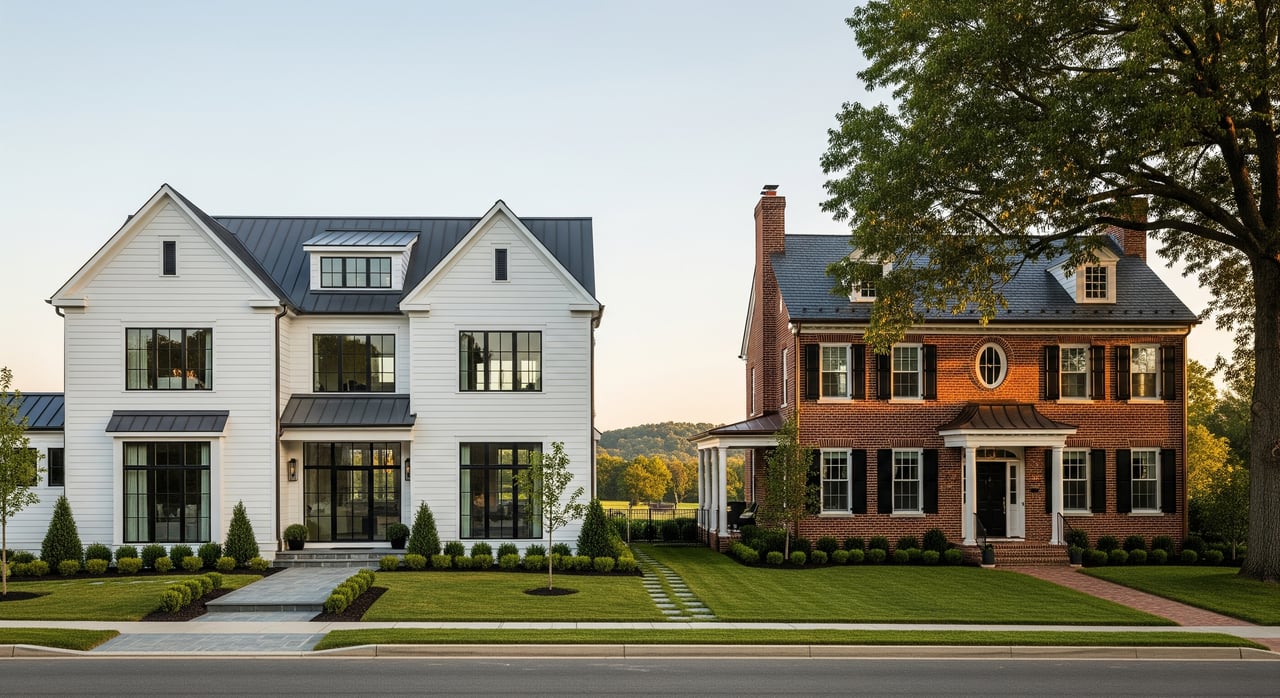
Trying to decide between a brand-new build and a resale home in Midlothian? You’re not alone. Many families weigh convenience, character, cost, and timing as they plan their next move. In this guide, you’ll learn what to expect from each path, how to compare total costs, and the practical steps to make a confident decision in Chesterfield County. Let’s dive in.
Midlothian market context
Midlothian sits in western Chesterfield County, part of the Richmond metro area. Families are drawn to its suburban neighborhoods, access to jobs, and parks and community amenities. Many buyers also consider Chesterfield County Public Schools when choosing where to live and review attendance zones as part of their search.
Inventory and pricing shift with demand, new developments, and permitting activity. New homes often cluster in master-planned communities or on the edges of existing neighborhoods, while resales are more common in established areas with mature landscaping and varied lot sizes.
New construction: what to expect
Timeline and delivery
You usually pick between two paths:
- Spec homes: Already built or near completion. These can often close in weeks to a few months.
- Build-to-order or custom: Timelines commonly run several months to over a year. The schedule depends on lot availability, permit processing, builder backlog, and your chosen options.
Permits and utility hook-ups go through Chesterfield County. Timing varies with county workload and whether the lot needs grading or off-site work.
Costs and lot premiums
New construction pricing starts with a base house price, then layers on lot and options:
- Lot premiums: Desirable lots like cul-de-sacs, corners, walk-outs, larger parcels, or those backing to open space often come with added cost.
- Options and upgrades: Flooring, cabinetry, appliance packages, structural changes, and landscaping can significantly change the final price. Ask for a detailed options addendum.
- Soft costs: Impact fees, tap fees, and development-related assessments may be included or appear at closing. Confirm how these are handled in writing.
A clear paper trail is key. Request final pricing that rolls everything together so you can compare apples to apples.
Warranties and protections
Most production builders provide limited warranties. A common structure is one year for workmanship, two years for systems like electrical, plumbing, and HVAC, and ten years for major structural elements. Coverage varies, so review the contract and warranty booklet and note the claim process and timelines. You will also complete a final walk-through to form a punch list for the builder to address.
HOA and neighborhood rules
Many new subdivisions have HOAs that manage common areas, amenities, and architectural standards. Expect recorded covenants, dues, and an initial period where the developer may control the HOA until a set percentage of homes sell. Ask for the covenants, budget, and transition plan before you sign.
Financing options
Financing depends on the type of new home you choose:
- Spec homes: Often financed with a standard mortgage.
- Build-to-order or custom: Frequently use construction-to-permanent (single-close) or construction-only (two-close) loans. These can require interest-only payments during construction, staged draws after inspections, and different underwriting.
Discuss interest rate timing. If your build takes months, you should understand rate locks, conversion terms, and appraisal methods, which may be based on plans and specifications.
Inspections and quality control
New homes meet current codes, but independent inspections still matter. Plan for inspections at key milestones like pre-drywall and the final walk-through. Confirm the punch-list process, repair timelines, and dispute procedures in your contract.
Resale homes: what to expect
Home types and settings
Resale homes in Midlothian include established neighborhoods with mature trees, varied architectural styles, and sometimes larger, irregular lots. Many are closer to existing services and community hubs than new subdivisions.
Pricing and negotiation
Resale pricing reflects location, lot, age, condition, and updates. You may find more room to negotiate on price or credits when inspections reveal needed repairs. Market conditions still apply, so strategy matters.
Maintenance and energy use
Older systems may require near-term attention. Common items include roofs, HVAC, water heaters, windows, siding, and electrical or plumbing updates. Energy efficiency can lag compared to new builds, which may affect utility costs. Budget for likely replacements over the next 5 to 10 years based on age and maintenance history.
Disclosures and inspections
Virginia sellers provide a property disclosure statement. You should still order a professional home inspection and consider specialists if needed, such as roof, HVAC, septic, or radon testing. Homes built before 1978 require a lead-based paint disclosure and specific buyer rights under federal law.
HOA for resale
Some resale neighborhoods have existing HOAs with a track record of dues, special assessments, and enforcement. Review covenants, budgets, and any available meeting minutes to understand rules and financial health.
Financing
Most resale homes fit standard mortgage products. Appraisals rely on recent comparable sales, so make sure your lender understands the nuances of the immediate neighborhood.
New vs. resale: quick comparison
- Speed to close:
- New spec: Often faster than custom, sometimes similar to resale.
- Custom new: Several months to a year or more.
- Resale: Typically 30 to 60 days, subject to loan and inspections.
- Customization:
- New: Layout and finishes tailored to you, especially in build-to-order.
- Resale: Limited to post-closing renovations and updates.
- Total cost profile:
- New: Base price plus lot premium, options, soft costs, and HOA dues. Initial landscaping and window treatments can add costs.
- Resale: Purchase price plus likely repairs, upgrades, and any HOA dues.
- Ongoing expenses:
- New: Newer systems may mean lower maintenance and better energy performance.
- Resale: Budget for deferred maintenance and potential efficiency upgrades.
- Risk profile:
- New: Construction delays, variability in builder quality, punch-list items.
- Resale: Hidden defects, older systems, update projects.
- Neighborhood setting:
- New: Newer amenities, planned community features, possible developer-run HOA period.
- Resale: Mature landscaping, established patterns of traffic and services.
How to compare total costs
Use a simple worksheet for an apples-to-apples view:
- For new construction:
- Purchase price
- Lot premium
- Options and upgrades
- Soft costs and fees
- HOA dues and projected assessments
- Initial landscaping, window treatments, and fencing
- Estimated utilities and maintenance savings
- For resale:
- Purchase price
- Immediate repairs and priority updates
- HOA dues and any known assessments
- Estimated utilities and maintenance
Then compare:
- Total cash to close: Down payment, deposit, and closing costs.
- Monthly costs: Mortgage, PMI if applicable, HOA dues, and estimated utilities.
- First 5 to 10 years: Big-ticket replacements like roof, HVAC, and water heater.
Decision framework for growing families
- Time vs. convenience: If you need to move quickly, look at resale or a completed spec home. If you want to tailor your layout and finishes, build-to-order may be worth the wait.
- Budget clarity: Confirm all new-build premiums and options in writing. For resales, obtain contractor quotes for top repairs before you finalize budget.
- Lot and lifestyle: Weigh yard size, play space, and proximity to parks. Compare the cost of a lot premium to the value of an established lot.
- Character vs. predictability: Resale homes can offer unique architecture and landscaping. New construction provides modern layouts and consistent building standards.
- Resale potential: Location, lot quality, and neighborhood demand shape future marketability for both new and resale homes.
Step-by-step plan: new construction
- Get documents early:
- Builder contract and all addenda
- Detailed options sheet with pricing and allowances
- Warranty booklet with coverage terms and claims process
- HOA covenants, budget, and developer control timeline
- Validate the build:
- Confirm permits and utility responsibilities
- Review grading and stormwater obligations
- Check the builder’s track record through references and available licensing or complaint resources
- Plan inspections:
- Pre-drywall inspection
- Final inspection prior to closing and lender’s final draw
- Clear punch-list process and deadlines in writing
- Coordinate financing:
- Discuss construction-to-permanent vs. two-close options
- Understand rate-lock timing and subject-to-completion appraisals
Step-by-step plan: resale
- Do your homework:
- Review seller disclosures and records of work or permits
- Order a full home inspection and any needed specialist checks
- Review HOA items if applicable:
- Covenants, budgets, and any available meeting minutes
- Clarify costs and timeline:
- Price out top repairs or updates
- Align closing timeline with loan, appraisal, and repairs
Local considerations and resources
For Midlothian buyers and sellers, it helps to review local information as you plan:
- Chesterfield County government: permits, land records, tax assessments, and HOA filings
- Chesterfield County Public Schools: attendance zones and school information
- Virginia REALTORS and Greater Richmond Association of REALTORS: local market reports
- National Association of Home Builders: warranty and building practice guidance
- Virginia Department of Professional and Occupational Regulation: contractor licensing and complaint process
- Consumer Financial Protection Bureau and mortgage lenders: construction loan and mortgage basics
- Local title and settlement companies: recording covenants and closing practices
Common pitfalls to avoid
- Not pricing the full new-home package. Always include lot premium, options, soft costs, landscaping, and HOA dues.
- Skipping inspections on a new build. New does not mean perfect. Plan for milestone inspections.
- Underestimating deferred maintenance on a resale. Budget for near-term replacements based on age and condition.
- Overlooking HOA details. Understand rules, dues, reserves, and any amenity build-out timelines.
- Ignoring rate timing. Align your financing strategy with your new-build timeline.
Which path is right for you?
If you want speed and established surroundings, a resale or move-in-ready spec home may be your best fit. If you have time and want personalization with warranty coverage, a build-to-order home can deliver long-term comfort. Either way, a clear budget and thorough due diligence will keep you confident from contract to closing.
Ready to compare real homes and neighborhoods side by side in Midlothian? Reach out to the team at Simpson Realty Group for local guidance, a tailored cost worksheet, and a plan that fits your family’s timeline.
FAQs
How long does new construction take in Midlothian?
- Spec homes often close in weeks, while build-to-order or custom homes commonly take several months to over a year depending on permits, lot prep, and builder backlog.
Do new homes come with warranties?
- Most builders offer limited warranties, commonly one year for workmanship, two years for systems, and ten years for structural coverage; always review exact terms in the contract.
Should I buy in a new subdivision with an HOA?
- Review covenants, dues, the developer control period, and the amenity build-out schedule to ensure the rules and costs match your lifestyle and budget.
Are lot premiums worth paying?
- It depends on your priorities and resale goals; compare the premium to similar resale lots and decide if privacy, views, or yard size justify the added cost.
Do I still need an inspection for a new home?
- Yes, plan for independent inspections at key stages like pre-drywall and the final walk-through, and document a punch list before closing.
How do I compare total costs of new vs. resale?
- Add purchase price, lot premium, options, soft costs, HOA dues, and initial landscaping for new builds versus purchase price, likely repairs, and HOA dues for resale, then factor monthly costs and 5–10 year replacements.